
Will Hearing Aids Help Me Understand Speech More Clearly?
When people in Southwestern Pennsylvania first learn they have hearing

By: admin | January 19, 2026
Most people assume hearing happens in their ears, but that’s only where the process starts. Your ears pick up sound waves and send them as signals to your brain, and then your brain has to do all the actual work of turning those signals into something you can understand.
It sorts through competing noises, focuses on what matters, fills in gaps when words are uncertain and does this constantly throughout every conversation you have. When your hearing is working well, this all happens so smoothly, you never think about it.
But when your hearing changes, even slightly, your brain suddenly has to work much harder to make sense of incomplete or distorted sound, and that extra mental effort builds up over the course of a day.
You might have noticed that you feel completely drained after spending time with friends, even though you were just sitting around talking. Or maybe you have trouble concentrating on anything after lunch because your brain already used up so much energy trying to follow conversations all morning.
It’s easy to assume you’re just getting older or more stressed out, but a lot of times your brain is simply working overtime to fill in what your ears aren’t picking up anymore.
When you take care of your hearing, you’re not just making it easier to hear what people say. You’re giving your brain a break from the constant extra work, which can make you feel sharper, less worn out and more like yourself again.
Sound starts as vibrations in the air, but hearing does not stop at the ears. Your ears collect those vibrations and convert them into signals that travel to the brain.
Once those signals arrive, the brain sorts through them to identify speech, recognize familiar voices and figure out where sounds are coming from. This all happens quickly, but it is an active process, not a passive one.
When sound information is clear, the brain can process it efficiently. When parts of that information are missing or distorted, the brain has to work harder to make sense of what it receives.
That extra effort can show up as fatigue, trouble concentrating or feeling overwhelmed in busy environments, even if sounds still seem loud enough.
Hearing challenges often affect how the brain processes sound, not just how much sound reaches the ears. Understanding this helps explain why clarity matters as much as volume and why improving the quality of sound can make listening feel easier and less mentally demanding throughout the day.
Good hearing supports the small, everyday exchanges that keep conversations flowing. When you can follow what others are saying without strain, responses feel natural and interactions stay comfortable.
Trouble hearing can interrupt that rhythm, causing missed words or misunderstandings that add frustration to moments that should feel easy. Supporting hearing health helps conversations feel less effortful and more engaging throughout the day.
Changes in hearing can also shape daily routines in subtle but meaningful ways. Group settings may feel more tiring when background noise makes it harder to follow along, and simple activities like watching TV or talking on the phone may require extra adjustments.
At work or school, missing parts of discussions can lead to confusion or repeated instructions. Safety can be affected too if important sounds like alarms, doorbells or traffic are harder to notice.
When hearing changes over time, the brain does not simply stop processing sound. Instead, it begins working harder to interpret what is still coming in. Sounds may feel more clouded or less complete, so the brain fills in gaps using context, past experience and visual cues like facial expressions or body language.
This extra effort often happens without you realizing it, which is why listening can feel more tiring even in familiar situations.
As this adjustment continues, the brain may start prioritizing certain sounds over others. Speech patterns you hear often may become easier to recognize, while unfamiliar voices or fast conversations may feel more challenging.
Background noise can take up more mental energy because the brain is constantly sorting what matters from what does not. This process can feel frustrating, especially when it seems like you are paying close attention but still missing pieces.
The brain is adaptable, but adaptation takes energy and consistency. Understanding that this adjustment is happening behind the scenes can help explain why listening feels different than it used to, even when sounds are still present.
Untreated hearing loss can lead to changes in the structure of your brain. When your ears do not send clear signals, the parts of your brain that process sound may become less active or shrink. This is similar to how a muscle can weaken when not used for a long time.
Other areas of the brain might try to help out, but they are not as well-suited for handling sound and speech. These changes can make it harder to understand conversations or remember what was said, even if you later use hearing aids. Keeping your hearing active helps support
Hearing loss does not only affect what you hear in the moment. When speech becomes harder to understand, your brain has to work harder just to make sense of sounds.
That extra effort can pull attention away from remembering details, following conversations or keeping track of information throughout the day. You may notice that conversations feel harder to recall, even when you were paying attention.
When your brain is constantly filling in gaps, mental fatigue can build up faster. Forgetting parts of conversations or feeling worn out after listening situations is not about focus or effort. It is a sign that listening has become more demanding than it should be.
Supporting hearing can help ease that strain so your mind has more room to process and remember what matters.
Spending less time with others can have a real impact on your brain health. Research shows that people who are socially isolated may have a higher risk of developing memory problems, such as dementia, compared to those who remain socially active.
When you do not interact with friends or family as often, your brain misses out on important mental stimulation. Social activities encourage conversation, problem-solving and emotional connection, all of which help keep your mind sharp. Less social interaction can lead to feelings of loneliness or sadness, which can also affect how well your brain works.
Hearing plays a bigger part in physical safety than many people realize. Your ears do more than pick up sound. They also give your brain information about movement, position and what is happening around you.
When hearing is reduced, those signals can become less reliable, which may affect balance and awareness. Some people notice feeling unsteady in busy spaces, on uneven ground or when turning quickly because their brain is missing part of the information it normally uses to stay oriented.
Reduced hearing can also limit how quickly you notice changes in your surroundings. Sounds like approaching footsteps, traffic, alarms or someone calling your name often act as early warnings.
When those cues are harder to hear, reactions may be slower, even if vision is sharp and attention feels focused. Common situations like crossing a street, walking through a parking lot or moving around the house at night can require more effort and attention.
Recognizing how hearing affects physical awareness is an important step in understanding the full impact it can have on daily life.
Hearing changes often happen slowly, and the first signs are easy to miss. Conversations may take more effort, following multiple voices can feel confusing and certain sounds might not register like they used to.
These challenges are more than inconvenient. They show your brain is working harder to make sense of the sounds around you.
When sounds are harder to process, your brain shifts energy to understanding speech instead of supporting memory or focus. This extra load can make thinking, remembering and concentrating more difficult even during routine activities.
Some situations that suggest it may be time to talk to an audiologist include:
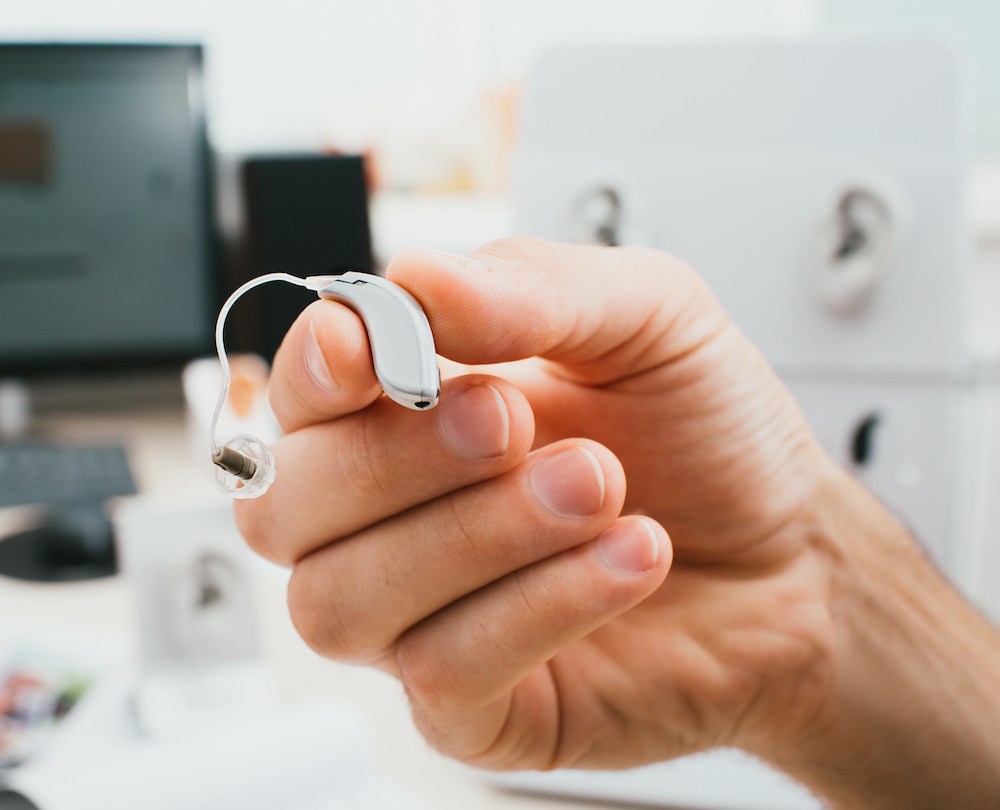
Hearing aids do more than make sounds louder. When your ears and brain are working together, listening requires less effort which frees up mental energy for thinking, remembering and staying focused.
Without support, the brain has to work harder to fill in missing pieces of conversation or background noise which can leave you feeling mentally drained. Using hearing aids reduces that strain and helps your brain handle average listening more efficiently.
Supporting your hearing can also influence how your brain processes information. Clearer, more consistent sound input helps your brain maintain its natural pathways for understanding speech, recognizing trends and comprehending detailed environments.
That means conversations, social activities and daily tasks can feel less tiring and your mind can stay sharper throughout the day. In short, hearing aids do not just improve what you hear. They help your brain work in a way that makes daily life easier and more manageable.
Taking steps to support your hearing can have a real impact on how your brain handles routine life. When your ears deliver the sounds they are supposed to, your brain doesn’t have to strain to make sense of conversations, background noise and all the little details in between.
That means less mental fatigue, better focus and more energy to enjoy time with friends, family and your surroundings.
If you want to see how addressing hearing changes can make daily listening easier, we can help. Call Pittsburgh Ear LLC at Pittsburgh: (412) 348-8016, Monroeville: (412) 348-8195 or Wexford: (412) 348-8194 to schedule a visit and find the right approach for your hearing and overall wellness.
When people in Southwestern Pennsylvania first learn they have hearing
By: admin | July 26, 2026

Hearing loss doesn’t always happen in both ears at the same time.
By: admin | June 25, 2026
Most people assume hearing happens in their ears, but that’s only
By: admin | January 19, 2026